A fresh dispute has emerged over Nigeria’s 2026 budget. SERAP has challenged top National Assembly leaders over a ₦1.3 billion allocation it described as questionable.
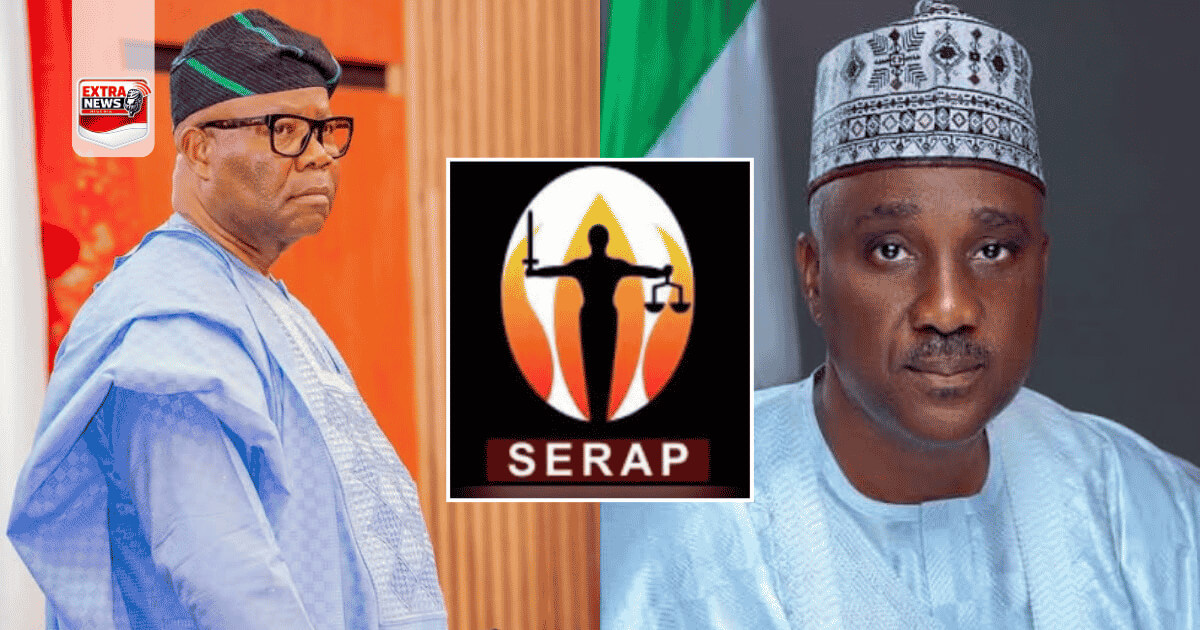
ABUJA, NIGERIA — The Socio-Economic Rights and Accountability Project SERAP demands explanation on Senate President Godswill Akpabio and Speaker Tajudeen Abbas inclusion of a ₦1.3 billion allocation for what it described as a “fictitious” presidential council in the proposed 2026 budget. According to a statement released by SERAP, the organisation warned that it could begin legal action if the lawmakers fail to provide a satisfactory explanation.
SERAP said the allocation was earmarked for a presidential council that, according to its findings, does not legally exist. The organisation urged the leadership of the National Assembly to disclose the basis for approving the budget provision and identify the agency or institution expected to receive the funds. SERAP also called for the immediate removal of the allocation if it cannot be justified under existing laws.
According to the statement, SERAP maintained that transparency and accountability remain essential in Nigeria’s budgeting process. The organisation said public funds should only be allocated to legally established institutions with clearly defined responsibilities. It added that Nigerians deserve a full explanation regarding the purpose of the ₦1.3 billion provision and how the money would be spent.
The demand follows growing public scrutiny of allocations contained in the proposed 2026 Appropriation Bill currently before the National Assembly. Civil society organisations have repeatedly urged lawmakers to ensure that budget provisions comply with constitutional and financial regulations. Budget transparency has remained a key issue in Nigeria, with advocacy groups calling for greater public oversight of government spending.
The development means the leadership of the National Assembly could face increased pressure to clarify disputed budget items before the 2026 budget receives final approval. If lawmakers respond to SERAP’s request, the explanation may influence public confidence in the budget process. If the organisation proceeds with legal action, a court could determine whether the disputed allocation complies with Nigeria’s laws governing public expenditure. At the time of filing this report, Godswill Akpabio, Tajudeen Abbas, and the National Assembly had not publicly responded to SERAP’s allegations.