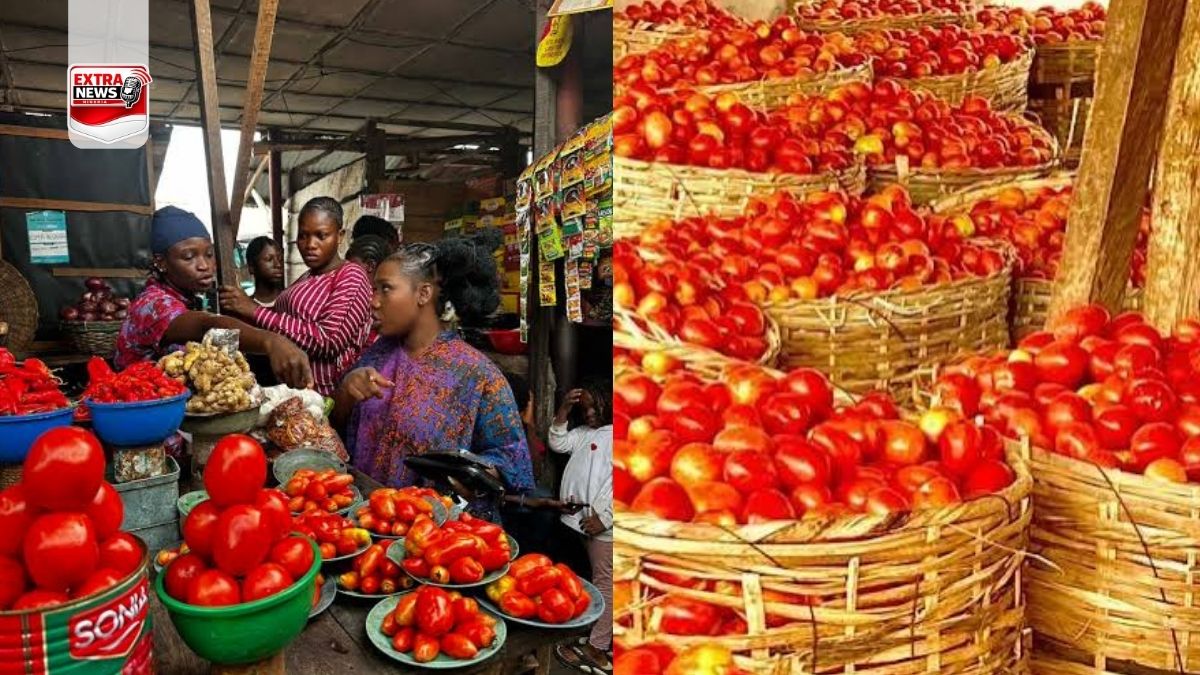
Food prices remain a major concern across Onitsha. The latest Anambra food prices on July 29 show many households are still paying more for everyday staples as traders struggle with rising supply costs.
ONITSHA, ANAMBRA STATE — Traders across Onitsha Main Market, one of West Africa’s largest commercial hubs, say the cost of staple food items remains high despite slight price adjustments on selected products this week. Merchants who spoke with Extra News Nigeria on Tuesday attributed the persistent increase in food prices to transportation expenses, seasonal supply fluctuations and the broader inflationary pressure affecting businesses across Nigeria. Many buyers were seen negotiating aggressively before making purchases, while some left the market with fewer items than planned as household budgets came under pressure. The latest Anambra food prices reflect the continuing challenge facing families, restaurants and small businesses that rely on the market for daily supplies. Onitsha Main Market remains a major distribution centre serving traders from across southeastern Nigeria and neighbouring countries.

A survey by Extra News Nigeria found that prices vary from one section of the market to another depending on product quality, availability and bargaining power. Traders said bags of rice remain among the most expensive staples, while beans, garri, tomatoes, onions, vegetable oil and pepper continue to fluctuate based on supplies arriving from northern and central Nigeria. One foodstuff dealer explained that transport fares and loading charges have increased operating costs, leaving many wholesalers with little choice but to pass part of the burden to consumers. A customer shopping for household groceries said she now buys smaller quantities than she did a few months ago because her income has not kept pace with rising food costs.
Several traders expressed cautious optimism that prices of some farm produce could moderate if supplies improve during the current harvest season. However, they warned that poor road conditions, fuel expenses and unpredictable logistics continue to affect deliveries into Onitsha. A grain merchant noted that demand remains strong even as consumers increasingly seek cheaper alternatives to premium brands. Restaurant operators and food vendors also told Extra News Nigeria that higher ingredient costs are forcing them to review menu prices to avoid operating at a loss, a trend that ultimately affects consumers across the state.
Economists say food inflation remains one of the biggest contributors to Nigeria’s rising cost of living, with households spending a larger share of their income on groceries than in previous years. While government interventions are expected to improve agricultural production and food distribution, market participants believe sustained price stability will depend on lower transportation costs, improved security along supply routes and stronger harvest yields. Consumer advocates have also urged authorities to strengthen market monitoring and invest in storage infrastructure to reduce post-harvest losses that contribute to seasonal price spikes.
For residents of Anambra State, the latest Anambra food prices underscore the continuing financial pressure on families already managing higher transportation, utility and education costs. Traders expect demand to remain steady in the coming weeks, although prices may continue to fluctuate depending on supply conditions. Extra News Nigeria will continue monitoring price movements across major markets to provide timely updates for consumers and businesses navigating Nigeria’s evolving economic landscape.
READ ALSO: Anambra Residents Raise Alarm Over School Building In Umuoba