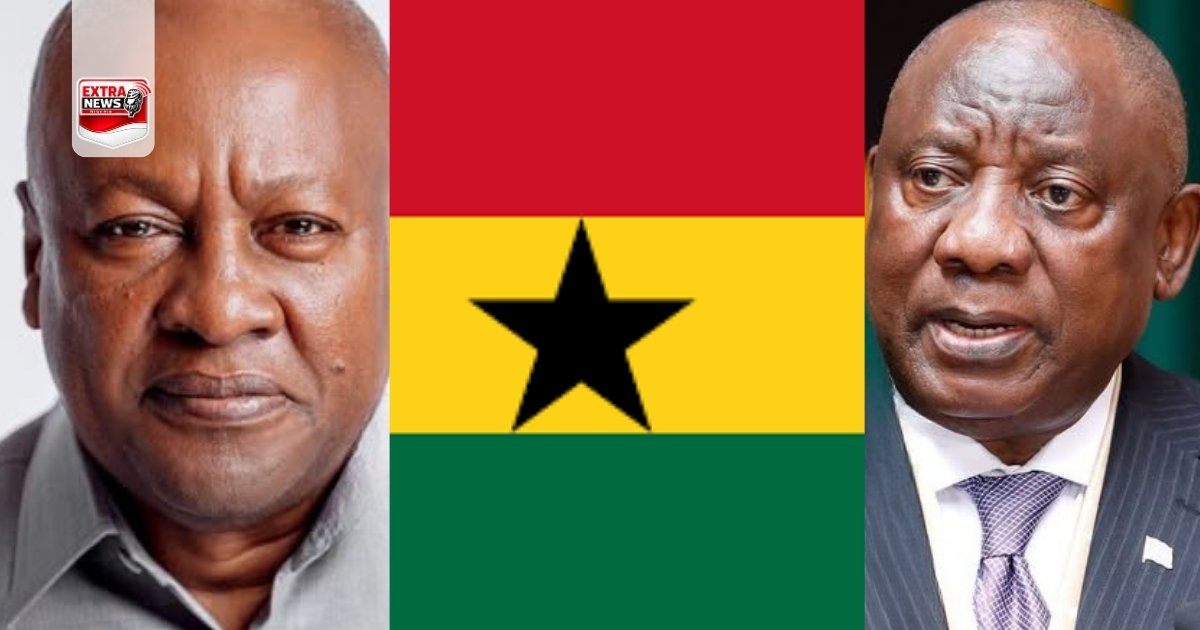
Diplomatic tensions have deepened between Ghana and South Africa. Ghana has declined a planned state visit by President Cyril Ramaphosa over renewed xenophobic attacks targeting its citizens.
ACCRA, GHANA — The Government of Ghana has declined a request for a state visit by South African President Cyril Ramaphosa, citing growing concerns over renewed xenophobic attacks against Ghanaians and other African migrants in South Africa. The decision comes amid rising diplomatic tensions between the two countries over the safety of Ghanaian nationals.
According to diplomatic sources in Accra and Pretoria, the move followed a recent wave of anti-foreigner violence that has forced about 1,000 Ghanaians to return home, while hundreds more have reportedly registered for repatriation. Ghanaian authorities also raised concerns after a Ghanaian national reportedly died during the unrest, although South African officials have disputed the circumstances surrounding the death.
Officials familiar with the discussions said Ghana communicated its concerns to South Africa and stressed that protecting Ghanaian citizens remains a priority. According to the sources, the Ghanaian government believes it would be inappropriate to proceed with a high-level state visit until stronger measures are taken to guarantee the safety of foreign nationals living in South Africa. Despite the decision, both countries are expected to maintain diplomatic relations.
The planned visit was expected to strengthen bilateral relations and promote cooperation between Ghana and South Africa. However, recent anti-migrant violence has prompted several African governments, including Ghana and Nigeria, to issue travel advisories, repatriate affected citizens and demand stronger action from South African authorities. President Ramaphosa has previously condemned the attacks and pledged action against those responsible.
The development means diplomatic engagement between the two countries could remain cautious until concerns over the safety of African migrants are addressed. It also places renewed attention on South Africa’s response to xenophobic violence and its broader relations with neighbouring African countries as calls grow for stronger protection of foreign nationals.