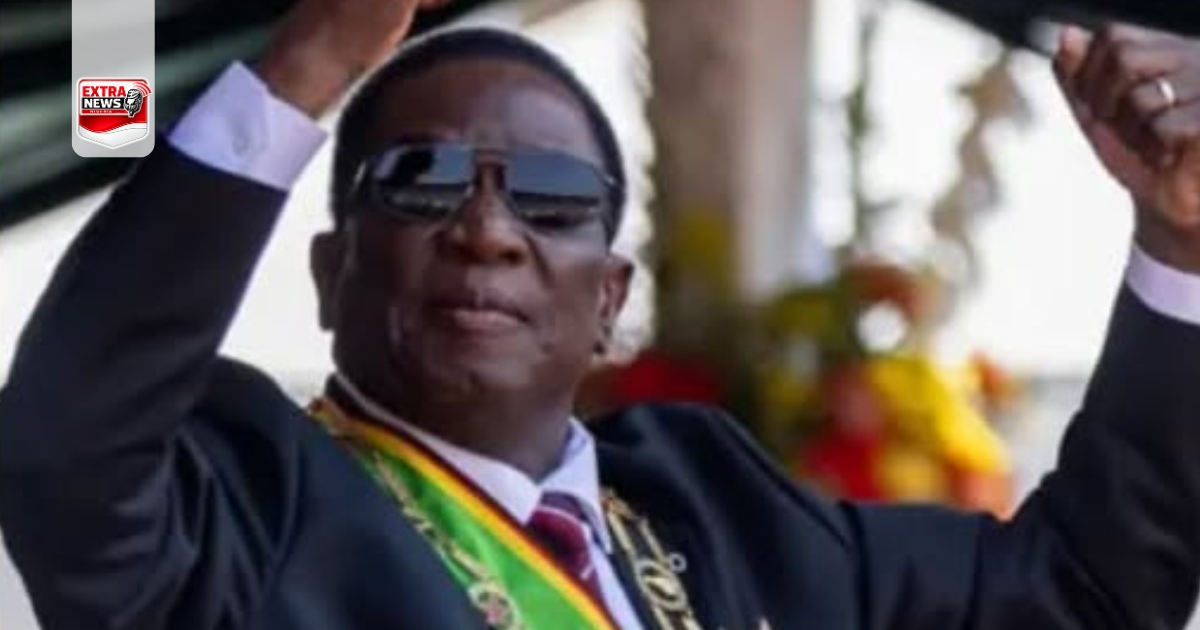
Zimbabwe has approved major constitutional changes that could reshape the country’s political future. The reforms extend President Emmerson Mnangagwa’s time in office and alter how future presidents will emerge.
HARARE, ZIMBABWE — President Emmerson Mnangagwa is set to remain in office until 2030 after Zimbabwe approved constitutional amendments extending his tenure. According to reports, the reforms also replace the country’s direct presidential election process with a system that allows Parliament to select the president, a move that has triggered strong reactions from opposition groups.
[INSERT FEATURED IMAGE HERE]
Why This Happened
According to reports, Zimbabwe’s Parliament approved the constitutional amendments as part of reforms backed by the ruling Zimbabwe African National Union – Patriotic Front (ZANU-PF).
Supporters of the amendments argue the changes will promote political stability and ensure continuity in governance. However, opposition parties and civil society groups contend that the reforms weaken democratic participation by removing citizens’ ability to vote directly for the country’s president.
What They Said
Opposition leaders criticised the constitutional amendments, saying they strengthen the ruling party’s control over Zimbabwe’s political system. According to reports, critics argued that replacing direct presidential elections with parliamentary selection reduces voters’ influence in deciding the country’s leadership.
The ruling party has defended the reforms, maintaining that the constitutional changes are lawful and intended to improve governance. Authorities have yet to announce additional measures for implementing the new electoral framework.
Who Is Emmerson Mnangagwa?
Emmerson Mnangagwa has served as Zimbabwe’s president since November 2017, following the resignation of longtime leader Robert Mugabe. He has remained one of the country’s most influential political figures and leads the ruling ZANU-PF party.
Mnangagwa has overseen several economic and political reforms during his presidency, although his administration has also faced criticism from opposition groups and international observers over governance and electoral issues.
What This Means for Zimbabwe
The development means Zimbabwe’s political landscape could undergo significant changes in the coming years. The constitutional amendments are likely to remain a major issue ahead of future political transitions, with opposition parties expected to continue challenging the reforms while the government moves to implement the new provisions. The changes may also attract close attention from regional and international observers monitoring governance and democratic processes in the country.