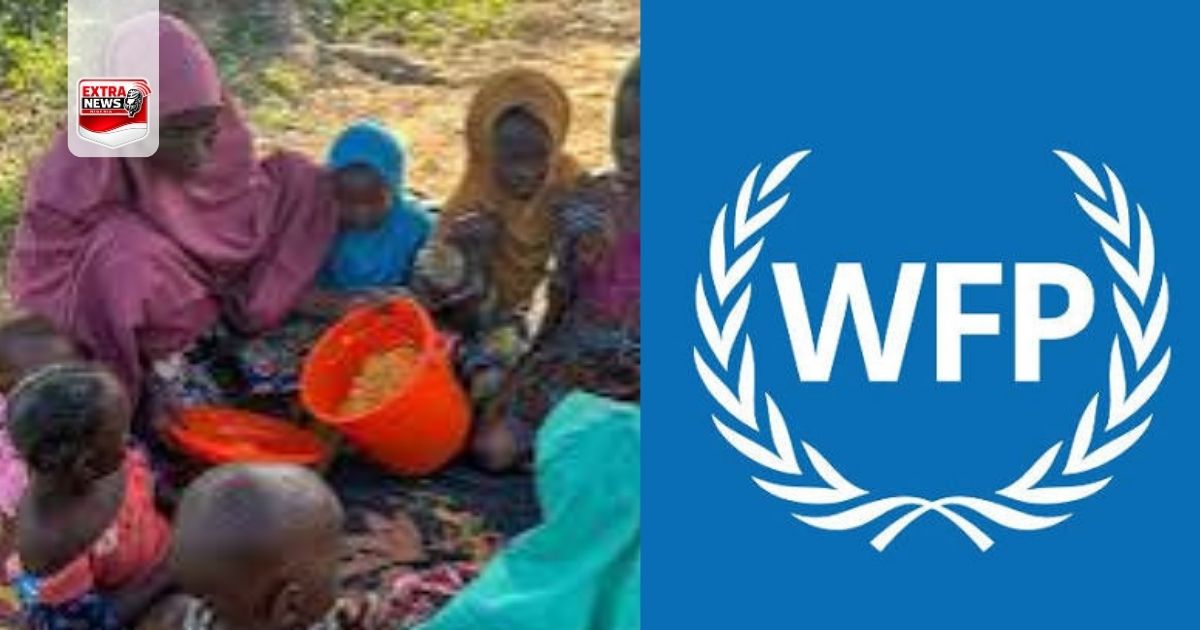
The United Nations World Food Programme says conflict and economic pressure have pushed northern Nigeria into its worst hunger crisis in almost a decade.
ABUJA, FCT — The United Nations World Food Programme, WFP, says more than 17 million people in conflict-affected states across northern Nigeria now face acute hunger as food insecurity worsens faster than earlier projections. According to the agency, the growing crisis stems from prolonged violence, displacement and economic hardship affecting millions of households across the region.
The WFP said communities in states affected by insurgency and armed attacks continue to struggle with limited access to food and basic services. The agency noted that rising food prices and reduced agricultural activities have also weakened the ability of families to meet their daily needs. According to the organisation, many households have exhausted their savings and now depend on humanitarian support.
In a statement, the WFP warned that the scale of the emergency could increase if urgent intervention does not reach vulnerable communities. The organisation said humanitarian agencies require additional funding and support to provide food assistance to affected populations. The statement added that millions of children and women remain at high risk of malnutrition as the crisis deepens.
Northern Nigeria has faced repeated humanitarian emergencies over the past decade because of insecurity linked to insurgent activities and communal violence. The region has also experienced severe economic challenges, including inflation and disruptions to farming activities, which have contributed to food shortages. Humanitarian agencies have repeatedly warned that the combination of conflict and economic pressure could worsen living conditions for millions of residents.
The development means federal and state authorities, alongside international partners, may need to increase emergency food interventions and long-term recovery programmes across northern Nigeria. Analysts say a prolonged food crisis could place additional pressure on health services, increase displacement and further affect economic activities in the region if immediate support does not reach the most vulnerable communities.
WFP Warns Of Hunger Crisis In Northern Nigeria Abuja