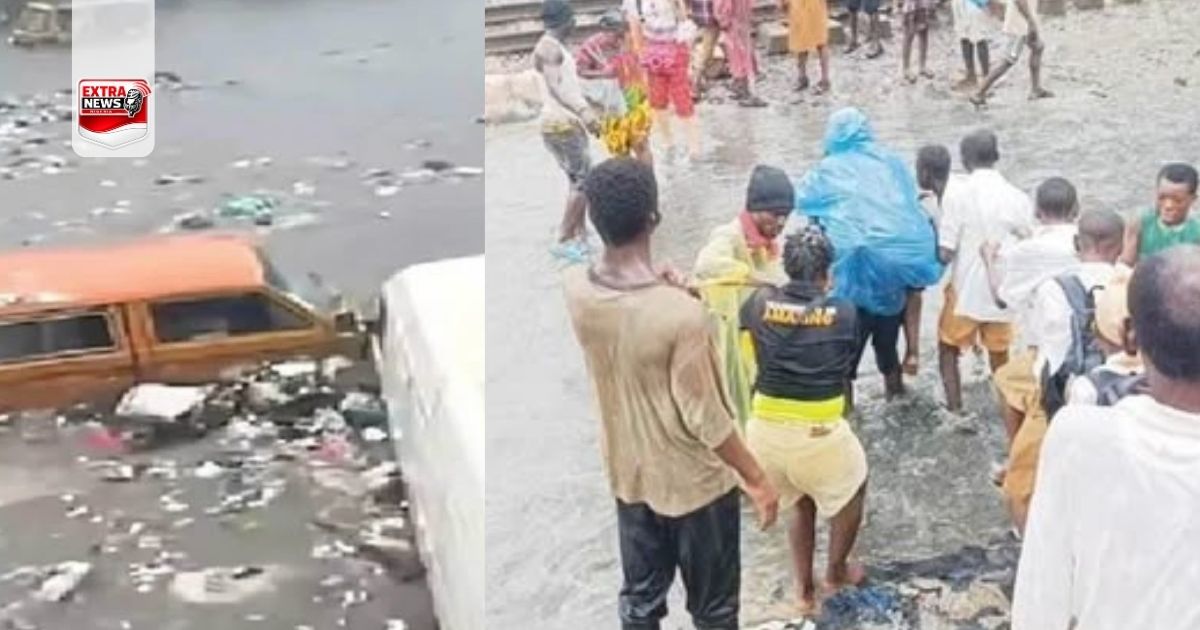
Thousands of Lagos residents are assessing extensive damage after days of heavy rainfall triggered flooding that affected homes, businesses and major roads across the state.
LAGOS, NIGERIA — Thousands of Lagos residents have continued to count their losses after widespread flooding followed several days of torrential rainfall across parts of the state. According to reports, the floodwaters damaged homes, vehicles, shops and public infrastructure, while many families and business owners struggled to recover from the impact. State officials attributed the flooding to Lagos’ low-lying terrain and the increasing effects of climate change.
Residents in several affected communities said the floodwaters entered homes and business premises, destroying household items, electronics, furniture and other valuables. Many also reported that vehicles broke down after becoming trapped in flooded streets. Some business owners said the flooding forced them to suspend operations, leading to financial losses and disruptions to daily activities.
Several residents blamed the scale of the flooding on poor drainage systems and inadequate preventive measures. They argued that blocked drainage channels and delayed maintenance contributed to the situation despite warnings about the rainy season. Lagos State officials, however, maintained that climate-related weather patterns and the state’s coastal geography remain major factors behind recurring floods, according to official statements.
Flooding has become a recurring challenge in Lagos, particularly during the peak rainy season. Experts have repeatedly identified rapid urbanisation, poor waste disposal, blocked drainage networks and rising sea levels as factors that increase flood risks across many communities. Authorities have continued to advise residents against dumping refuse in drainage channels and have announced drainage clearance projects in different parts of the state.
The development means many affected residents now face the difficult task of repairing damaged properties and restoring their sources of income. It also places renewed attention on flood control measures, drainage infrastructure and emergency response efforts in Lagos. As the rainy season continues, residents are expected to monitor weather advisories while government agencies intensify mitigation efforts aimed at reducing the impact of future flooding.