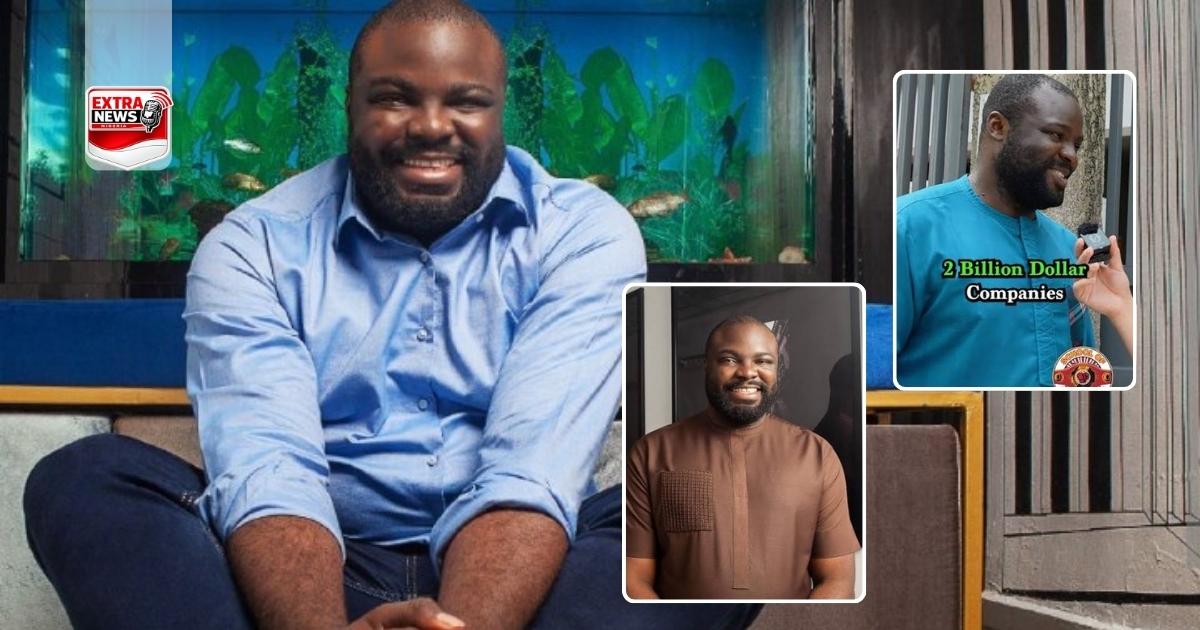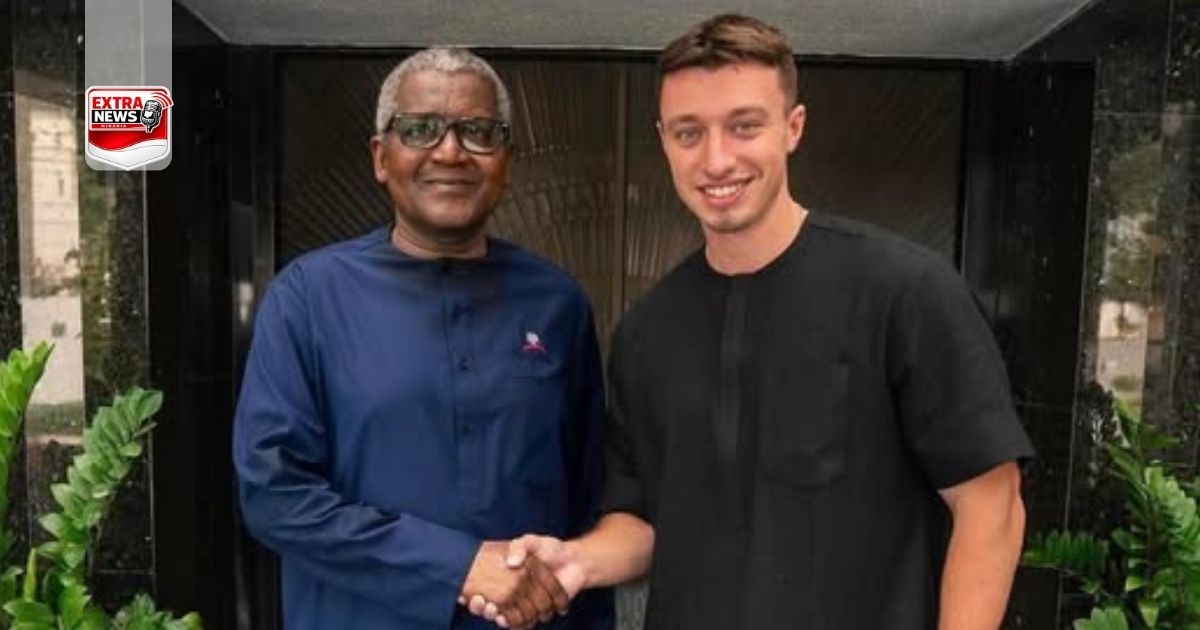
A social media post by Senator Chijinkem Ugwuanyi has stirred reactions after claiming that Aliko Dangote chose a content creator over traditional media personalities for an interview.
LAGOS, NIGERIA — A post attributed to Senator Chijinkem Ugwuanyi claimed that billionaire businessman Aliko Dangote granted an interview to a content creator instead of established television, radio and newspaper presenters in Nigeria. The post, which circulated on social media, described the development as a reflection of the growing influence of digital content creators in the country’s media space.
According to the post, the decision by Dangote to engage a content creator highlighted the changing media landscape, where online personalities increasingly command large audiences and shape public conversations. The claim quickly attracted reactions from social media users, with many debating the relevance of traditional media in the digital age.
Some users argued that content creators now reach millions of people directly through social media platforms and often enjoy stronger engagement with younger audiences. Others maintained that traditional journalists remain essential because of their professional training, editorial standards and experience in handling major interviews and public affairs.
The rise of digital creators has significantly changed how public figures and corporate leaders communicate with Nigerians. Politicians, business executives and celebrities increasingly use podcasts, YouTube channels and social media interviews to connect directly with audiences, often bypassing conventional media outlets.
Industry experts say the shift reflects broader changes in media consumption patterns, with more Nigerians obtaining news and information through smartphones and social media platforms rather than television, radio or newspapers.
The development means the relationship between traditional media and digital creators will continue to evolve as audience habits change. It also highlights the growing influence of content creators in shaping public discussions and attracting high-profile interviews that were once dominated by conventional media organisations.