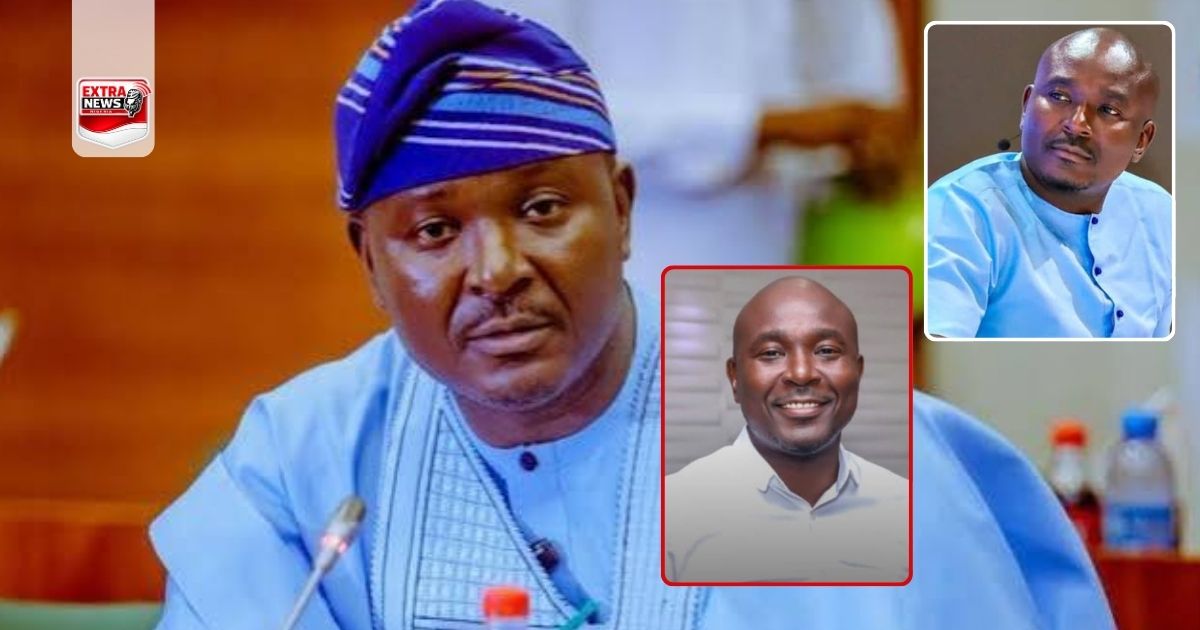
Nigerian businessman and lawmaker Akin Alabi has shared how he manages his finances. He says having a low bank balance does not always reflect a person’s wealth.
ABUJA — Akin Alabi, a member of the House of Representatives and businessman, has revealed that there are times when he has as little as ₦1 million across all his bank accounts. Speaking about his approach to money management, Alabi said he deliberately avoids keeping large amounts of cash in the bank because he prefers to invest or spend his funds on productive ventures.

Why This Happened
According to Alabi, many people mistakenly judge wealth by the amount of money in a person’s bank account. He explained that most of his money is tied to investments and business activities rather than sitting idle in savings accounts.
The lawmaker added that there are periods when the combined balance across all his accounts is below ₦20 million, stressing that this does not reflect the value of his assets or overall financial position.
What He Said
Alabi said he prefers to put his money into investments instead of leaving it in the bank. According to him, this strategy allows his funds to remain productive rather than sitting unused.
He noted that there have been occasions when his total account balance dropped to around ₦1 million, despite owning investments and businesses worth much more.
Who Is Akin Alabi?
Akin Alabi is a Nigerian entrepreneur, author and politician representing Egbeda/Ona Ara Federal Constituency of Oyo State in the House of Representatives. He is widely known for his business ventures and for regularly sharing insights on entrepreneurship, investing and personal finance through public interviews and social media.
His comments on financial management have attracted attention because of his reputation as one of Nigeria’s successful businessmen turned lawmakers.
What This Means for Nigeria
The development highlights the difference between cash flow and overall wealth. Financial experts often explain that business owners and investors may keep relatively small cash balances while holding significant value in investments, properties and other income-generating assets. They also advise individuals to maintain enough liquidity to meet short-term financial obligations while pursuing long-term investment goals.
RELATED: Read also: Nigerian Entrepreneurs Share Lessons on Building Wealth Through Investment